Tag: content marketing

  • Zero-Click Searches Are Killing Traffic—Here’s How Smart Brands Still Win

    Zero-Click Searches Are Killing Traffic—Here’s How Smart Brands Still Win


    Are Zero-Click Searches Really Killing Website Traffic in SEO in 2026?

    Yes—and no.

    If you’re seeing impressions increase but clicks drop, you’re not alone. In SEO in 2026, zero-click searches are one of the biggest reasons businesses feel SEO is “not working anymore.” Google now answers many questions directly on the search results page, leaving users with no reason to click.

    But here’s the real truth:
    Zero-click searches are not killing traffic. They’re killing outdated SEO strategies.

    Smart brands are still winning visibility, trust, and leads—just in different ways.

    This article explains why zero-click searches are rising, how Google updates caused this shift, and how businesses can still grow traffic, leads, and authority in 2026.

    What Are Zero-Click Searches and Why Are They Increasing?

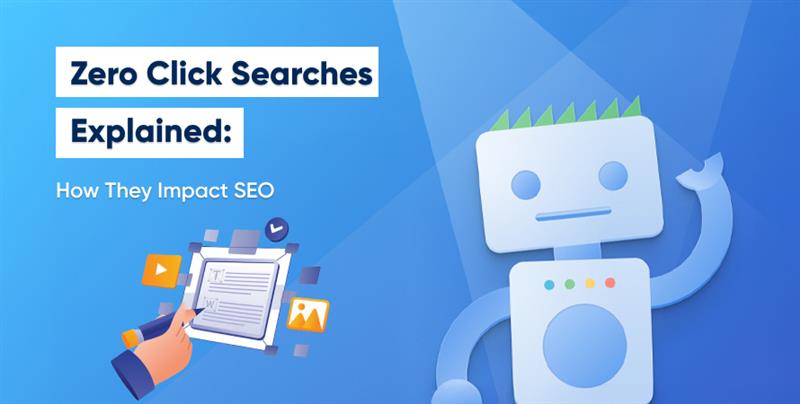
    A zero-click search happens when Google answers a query directly using:

    • Featured snippets

    • AI Overviews

    • Knowledge panels

    • Google Maps results

    • People Also Ask sections

    The user gets the answer without clicking any website.

    Why Google Is Pushing Zero-Click Results

    Google’s goal is simple:
    Provide the fastest, most accurate answer.

    With AI SEO and machine learning, Google understands intent better than ever. This shift accelerated with recent SEO updates 2026, where usefulness matters more than blue-link clicks.

    Why Do Businesses Feel Traffic Is Dropping?

    Many businesses ask:
    “Why Am I Getting Website Visitors But No Leads or Phone Calls?”

    Others ask:
    “Why Is My Local SEO Not Working Even After Optimization?”

    The common reason is this:
    Traffic sources changed, but strategies didn’t.

    Zero-click searches reduce clicks for:

    • Informational queries

    • Simple how-to searches

    • Location lookups

    • Definitions and comparisons

    But they increase brand exposure, authority, and trust—if used correctly.

    How Google Updates Changed SEO Forever

    Recent Google updates reward:

    • Brand recognition

    • Content depth

    • Authority signals

    • Engagement, not just visits

    This is why old SEO tactics—keyword stuffing, thin blogs, generic service pages—no longer work in SEO in 2026.

    📊 Graph Explanation:
    Imagine a graph where:

    • Old SEO = high clicks, low conversions

    • Modern SEO = fewer clicks, higher conversions

    Smart brands focus on quality actions, not raw traffic.

    Are Zero-Click Searches the End of SEO?

    Absolutely not.

    They mark the evolution of SEO, not its death.

    Modern SEO focuses on:

    • Being the source Google trusts

    • Owning brand-based searches

    • Converting users who do click

    • Dominating local intent via Google Maps

    SEO today is about visibility + authority + conversion, not clicks alone.

    How Smart Brands Still Win in Zero-Click Search

    1. They Optimize for Brand, Not Just Keywords

    Brands winning in 2026 focus on:

    • Brand mentions

    • Consistent messaging

    • Thought leadership content

    When users see your brand repeatedly in:

    • Featured snippets

    • AI answers

    • Local packs

    They search for you directly.

    This is where Content Marketing beats pure SEO.

    2. They Create Content That Goes Beyond the Answer

    Zero-click searches answer basic questions.

    Smart brands create content that answers:

    • “What should I do next?”

    • “Why does this matter?”

    • “How does this apply to my business?”

    This is where Blog Writing Strategies matter.

    Instead of short posts, they publish:

    • In-depth guides

    • Step-by-step frameworks

    • Case-based explanations

    3. They Use AI Content—but With Human Strategy

    The debate around AI Content vs Google Rankings confuses many businesses.

    Google doesn’t punish AI Content.
    Google punishes low-value content.

    Smart brands use:

    • ChatGPT Content for ideation

    • AI SEO tools for structure

    • Humans for insight, examples, and clarity

    AI supports content. Strategy drives results.

    How Local SEO Fits Into Zero-Click Searches
    Local searches are mostly zero-click now.

    Users see:

    • Google Maps listings

    • Business hours

    • Reviews

    • Call buttons

    Without visiting a website.

    Why Local SEO Still Wins

    If optimized properly, local SEO delivers:

    • Calls

    • Directions

    • Walk-ins

    If it doesn’t, businesses ask:
    “Why Is My Local SEO Not Working Even After Optimization?”

    The answer often lies in:

    • Weak business descriptions

    • Poor review strategy

    • Inconsistent branding

    • Low engagement signals

    Why Traffic Alone No Longer Builds Businesses

    This connects directly to the Real Reason 90% Businesses Collapse in Year One.

    They chase:

    • Pageviews

    • Rankings

    • Traffic volume

    Instead of:

    • Trust

    • Conversion clarity

    • User intent

    Zero-click searches expose weak funnels faster than ever.

    How to Increase Website Traffic Organically in 2026

    Organic growth still works—but differently.

    Winning strategies include:

    • Topic clusters instead of single keywords

    • Intent-based content

    • Strong internal linking

    • Conversion-focused pages

    • Clear CTAs

    Organic traffic that converts matters more than high traffic that doesn’t.

    What Role Does AI SEO Play in Zero-Click Searches?

    AI SEO helps brands:

    • Predict user intent

    • Structure content for AI understanding

    • Win featured snippets

    • Build authority clusters

    AI doesn’t replace SEO—it reshapes it.

    In SEO in 2026, AI helps brands stay visible even when clicks drop.

    Short Summary: What Smart Brands Understand

    • Zero-click searches are unavoidable

    • Visibility matters more than raw clicks

    • Brand authority drives long-term growth

    • AI Content works when guided by strategy

    • Local SEO is about actions, not visits

    Frequently Asked Questions (FAQs)

    Q. Do zero-click searches hurt SEO?
    –>They reduce clicks but increase brand exposure.

    Q. Is SEO still worth investing in?
    –>Yes—when aligned with modern user behavior.

    Q. Can small businesses compete in zero-click results?
    –>Yes, especially through local SEO and niche authority.

    Q. Does Google Maps count as SEO?
    –>Absolutely. Google Maps is one of the strongest SEO assets today.

    Final Thoughts: Zero-Click Is a Wake-Up Call, Not a Threat

    Zero-click searches didn’t kill SEO.

    They killed:

    • Lazy content

    • Shortcut strategies

    • Keyword-only thinking

    Brands that adapt to SEO in 2026 don’t chase clicks—they build trust, authority, and conversions.

    At ListBusinessProfile, we help businesses win in the age of zero-click searches.

    ✔ Identify why traffic isn’t converting
    ✔ Fix local SEO and Google Maps visibility
    ✔ Build SEO strategies that work in 2026

    🔍 Book your FREE website audit today and discover how to turn zero-click visibility into real business growth.
  • AI Content vs Google Rankings: Is ChatGPT Safe for Content Marketing?

    AI Content vs Google Rankings: Is ChatGPT Safe for Content Marketing?

    AI tools like ChatGPT have completely transformed how businesses create content. But one big question keeps surfacing in every marketer’s mind: Is AI content safe for Google rankings, or does it invite penalties?

    If you’re using AI for content marketing—or planning to—this guide will give you clear, honest, and up-to-date answers based on Google’s own guidelines, SEO best practices, and real-world results.

    Let’s break it down step by step.

    What Is AI Content in Content Marketing?

    AI content refers to text created using artificial intelligence tools such as ChatGPT, Claude, Gemini, or other AI writing platforms. In content marketing, businesses use AI to:

    • Generate blog drafts

    • Create meta titles and descriptions

    • Write landing page content

    • Brainstorm content ideas

    • Optimize content for SEO

    But here’s the real question:
    👉 Does Google care who writes the content—or how it’s written?

    Does Google Penalize AI Content?

    Short answer: No.
    Long answer: Google penalizes low-quality content, not AI-generated content.

    Google has clearly stated that content quality matters more than content creation method. Whether a human or AI writes it doesn’t matter—value does.

    Google’s official stance:

    Google rewards content that is:

    • Helpful

    • Original

    • Written for users, not search engines

    • Demonstrates expertise, experience, authority, and trust (E-E-A-T)

    If your AI content meets these standards, Google will not penalize it.

    Why Are Some AI Articles Not Ranking on Google?

    Many marketers ask:

    • “Why isn’t my AI-written content ranking?”

    • “Why did my traffic drop after using ChatGPT?”

    The problem isn’t AI—it’s how AI is used.

    Common mistakes that hurt rankings:

    • Publishing raw ChatGPT content without editing

    • Keyword stuffing

    • Thin, repetitive content

    • No originality or insights

    • No human experience or examples

    AI should assist content creation—not replace strategic thinking.

    How Google Evaluates AI Content Today

    Google’s algorithms analyze content value, not authorship. Here’s what Google looks for:

    1. Content Helpfulness

    Does the content actually answer user questions?

    2. Original Insights

    Does it add something new—or repeat what’s already ranking?

    3. Search Intent Match

    Does the content match what users are looking for?

    4. User Experience

    Is the content easy to read, well-structured, and engaging?

    AI content that checks these boxes can rank just as well as human-written content.

    Is ChatGPT Safe for Content Marketing?

    Yes—when used correctly.

    ChatGPT is a powerful tool for content marketing, but it works best when paired with human expertise.

    Safe ways to use ChatGPT:

    • Creating outlines

    • Generating first drafts

    • Improving readability

    • Optimizing content structure

    • Brainstorming headlines

    Risky ways to use ChatGPT:

    • Publishing AI output without editing

    • Mass-producing generic blogs

    • Copying prompts across multiple posts

    How to Use AI Content Without Hurting Google Rankings

    Here’s a proven approach businesses follow to rank safely with ChatGPT content.

    Step-by-Step AI Content Strategy That Google Loves

    Step 1: Start With Search Intent

    Ask:

    • What problem is the user trying to solve?

    • Is the intent informational, transactional, or navigational?

    AI content must align with real user intent, not just keywords.

    Step 2: Use AI as a Drafting Tool

    Let ChatGPT help with:

    • Structure

    • Topic coverage

    • Flow

    But never stop there.

    Step 3: Add Human Experience

    Google prefers content with:

    • Real examples

    • Case studies

    • Practical advice

    • Industry insights

    This is where human editing matters most.

    Step 4: Optimize for E-E-A-T

    Strengthen:

    • Experience: Share practical use cases

    • Expertise: Demonstrate industry knowledge

    • Authority: Reference best practices

    • Trust: Keep information accurate and transparent

    Step 5: Improve Readability

    AI content must sound natural, not robotic.

    • Use short paragraphs

    • Ask questions

    • Use bullet points

    • Write in active voice

    Can AI Content Rank on Google Long-Term?

    Yes—but only if you treat AI as a helper, not a shortcut.

    Websites ranking with ChatGPT content consistently:

    • Update posts regularly

    • Improve content depth

    • Monitor performance

    • Align with Google updates

    AI content that evolves with SEO trends performs better than static posts.

    AI Content vs Human Content: What Performs Better?

    This is another common question:
    👉 “Does human-written content outperform AI content?”

    The truth:

    • Well-edited ChatGPT Content performs equally well

    • Poor human content also fails

    Quality always wins—regardless of who writes it.

    Is Google Detecting ChatGPT Content?

    Google does not rely on AI-detection tools to penalize content.

    Instead, it focuses on:

    • Content usefulness

    • Engagement metrics

    • User satisfaction

    Detection alone does not trigger penalties—poor quality does.

    Best Practices for AI Content Marketing in 2025

    To stay safe and competitive, follow these rules:

    • Never publish raw AI output

    • Always edit and refine

    • Focus on value over volume

    • Avoid duplicate structures

    • Combine AI with SEO strategy

    • Keep content people-first

    How ListBusinessProfile Helps You Use AI Safely

    At ListBusinessProfile, we help businesses:

    • Use AI without risking rankings

    • Create SEO-friendly, humanized content

    • Improve content marketing strategies

    • Align ChatGPT content with Google guidelines

    We don’t just write content—we build ranking assets.

    Final Thoughts: Is AI Content Worth It?

    Yes—when used strategically.

    ChatGPT content can:

    • Save time

    • Improve efficiency

    • Support SEO

    • Scale content marketing

    But success comes from smart execution, not automation alone.

    If you’re looking to use AI content & content marketing the right way—without risking Google rankings—our experts at ListBusinessProfile can help.

    If you’re looking to boost your website traffic, generate qualified leads, and grow your business strategically, feel free to reach out to our digital marketing experts — we’re here to help you achieve measurable results.

    Let AI work for your SEO—not against it 🚀

  • Link-Building Strategies That Don’t Require Outreach (That Actually Work)

    Link-Building Strategies That Don’t Require Outreach (That Actually Work)

    Link-building remains one of the strongest ranking signals in SEO, yet most small businesses believe it only works through cold emails, paid links, or endless outreach campaigns. But what if you could earn powerful backlinks without begging for links?

    This guide reveals link-building strategies that don’t require outreach, designed specifically for Small Business Marketing, Local SEO, and long-term organic growth.

    So, how do top-performing websites build links passively? Why do some businesses rank higher even with fewer backlinks? And how can you apply the same methods to increase authority, traffic, and leads?

    Let’s break it down.

    Why Link-Building Still Matters for Small Business Marketing

    Google doesn’t rank websites—it ranks trust. Backlinks signal credibility, relevance, and authority. Without them, even great content struggles to rank.

    Many business owners ask:

    • Why Did My Google Maps Ranking Drop?

    • Why Is My Local SEO Not Working Even After Optimization?

    • Why Your Google Business Profile Isn’t Ranking on Google Maps?

    In most cases, weak or unnatural link profiles are the missing piece.

    If you want consistent rankings, visibility, and leads, link-building strategies must be part of your business marketing plan—but they don’t have to involve outreach.

    The Real Reason 90% Businesses Collapse in Year One

    Most businesses fail because they rely on paid traffic instead of building digital assets. SEO, content marketing, and passive backlinks create compounding growth.

    When businesses ignore link-building strategies, they face:

    • Low domain authority

    • Weak trust signals

    • Poor keyword rankings

    • Minimal organic leads

    That’s why content-driven link building is essential for long-term survival.

    Link-Building Strategies That Don’t Require Outreach

    1. Create Linkable Assets That Solve Real Problems

    If your content solves a problem better than anyone else, links come naturally.

    Ask yourself:

    • Why Am I Getting Website Visitors But No Leads or Phone Calls?

    • Why is my Google Business Profile suspended?

    • How can you fix your GMB ranking?

    Articles answering these questions attract:

    • Bloggers

    • Journalists

    • SEO professionals

    • Business owners

    High-performing linkable assets include:

    • Step-by-step guides

    • Industry statistics

    • Case studies

    • Fix-it tutorials

    • Local SEO checklists

    This is where blog writing strategies matter.

    2. Publish Data-Driven Content (Links Love Proof)

    Original data earns backlinks automatically.

    Examples:

    • “How We Increased Website Traffic Organically by 312%”

    • “Why 68% of Local Businesses Lose Google Maps Rankings”

    • “Top Reasons Google Business Profile Isn’t Ranking in 2025”

    Data-backed content works exceptionally well in:

    • SEO blogs

    • Digital marketing articles

    • Business marketing resources

    This aligns perfectly with content marketing and SEO best practices.

    3. Use Internal Linking to Strengthen External Links

    Most businesses ignore internal links, yet they amplify link value.

    When Google crawls your site, internal links:

    • Distribute authority

    • Improve indexing

    • Strengthen keyword relevance

    For example:
    Link articles like:

    • How to Increase Website Traffic Organically

    • How to Boost Organic Traffic

    • How to Fix Google Map Ranking Dropped

    • Why Your Google Business Profile Isn’t Ranking

    This builds topical authority—without outreach.

    4. Create Evergreen Local SEO Content

    Local SEO content earns links from:

    • Local bloggers

    • Business directories

    • Community websites

    • Industry forums

    Topics that attract links naturally:

    • Why Is My Local SEO Not Working Even After Optimization?

    • Why Did My Google Maps Ranking Drop?

    • How Can You Fix Your GMB Ranking?

    When optimized properly, these pages support:

    • Google Maps visibility

    • Business Marketing growth

    • Small Business Marketing trust

    5. Build Free Tools & Checklists

    Free resources generate backlinks organically.

    Ideas:

    • Google Business Profile Audit Checklist

    • Local SEO Ranking Fix Guide

    • Website Traffic Growth Planner

    Tools get shared because they provide immediate value—no outreach needed.

    This strategy works exceptionally well for digital marketing agencies and consultants.

    6. Optimize for Featured Snippets & Google Questions

    Google loves content that answers questions directly.

    Target queries like:

    • Why Your Google Business Profile Isn’t Ranking on Google Maps

    • Why Am I Getting Website Visitors But No Leads or Phone Calls?

    • How to Create Landing Pages That Actually Convert Visitors into Customers

    Pages that win featured snippets earn:

    • Natural backlinks

    • Higher CTR

    • Increased authority

    This directly supports SEO and link-building strategies.

    7. Repurpose Content Across Platforms

    One high-quality blog can generate dozens of backlinks when repurposed.

    Repurpose into:

    • Medium articles

    • Reddit discussions

    • Quora answers

    • LinkedIn posts

    • Slide decks

    Each platform creates new discovery paths, increasing link potential organically.

    8. Build Authority Through Consistent Publishing

    Google rewards consistency.

    When you publish regularly on:

    • Local SEO

    • Business Marketing

    • Content marketing

    • Google Business Profile optimization

    Your site becomes a reference point—and reference sites earn links.

    This is how authority compounds.

    Why Outreach Link Building Works Better

    Outreach fails because:

    • People ignore cold emails

    • Paid links trigger penalties

    • Low-quality links harm trust

    Organic link-building strategies focus on:

    • Value

    • Expertise

    • Relevance

    • User intent

    That’s why they outperform traditional methods.

    How Link-Building Supports Lead Generation

    If your site ranks but doesn’t convert, links alone aren’t enough.

    That’s why How to Create Landing Pages That Actually Convert Visitors into Customers matters.

    Backlinks bring traffic.
    Landing pages turn traffic into leads.

    Together, they solve:

    • Why Am I Getting Website Visitors But No Leads or Phone Calls?

    Final Thoughts: Sustainable Link-Building for Real Growth

    Link-building strategies that don’t require outreach aren’t shortcuts—they’re smarter systems.

    When combined with:

    • SEO

    • Local SEO

    • Content marketing

    • Business Marketing

    • Small Business Marketing

    They create long-term authority, rankings, and revenue.

    If your website isn’t ranking, your Google Business Profile isn’t showing up, or your organic traffic isn’t converting, you don’t need guesswork—you need a strategy.

    ListBusinessProfile provides free website audits, business lessons, local SEO analysis, and proven link-building strategies that drive real results.
    Reach out today and let our experts help you boost organic traffic, fix Google Maps ranking issues, and grow your business sustainably.

  • How to Create a 30-Day Content Calendar in 30 Minutes (Complete Guide)

    How to Create a 30-Day Content Calendar in 30 Minutes (Complete Guide)

    Content Marketing Strategies -listbusinessprofile

    If your business is struggling to stay consistent with online content, you’re not alone. Most companies fail to publish regularly—not because they lack ideas, but because they lack a simple, repeatable system. And as a result, they lose visibility, leads, and ranking opportunities. This is one of The Real Reason 90% Businesses Collapse in Year One—they don’t have a predictable system to reach customers consistently.

    So today, we’re solving that problem.

    In this article, you’ll learn How to Create a 30-Day Content Calendar in 30 Minutes, even if:

    • You have no marketing team

    • Don’t know where to start

    • Feel overwhelmed by content planning

    • You struggle with consistency

    We’ll also integrate proven Blog Writing Strategies, SEO tips, content research methods, and ideas that work on platforms like Medium, LinkedIn, Facebook, Instagram, YouTube, and even Google Business Profile.

    Let’s start.

    Why Do You Need a 30-Day Content Calendar?

    Before creating one, ask yourself:

    ❓Why does content consistency matter for digital marketing?
    ❓Can content marketing help increase website traffic?
    ❓How can regular content improve local SEO and Google Business Profile ranking?

    The answer is simple:

    When you post consistently, you stay visible where your customers spend their time. Content is how you:

    • Improve SEO

    • Build authority

    • Increase website traffic organically

    • Bring customers back repeatedly

    Smart brands don’t post randomly—they follow calendars.

    Step 1: Define Your Big Monthly Goal

    Before planning content, ask:

    ❓What is the primary goal of the next 30 days?

    Your goal might be:

    • Increase website traffic

    • Fix Google Map ranking dropped

    • Improve conversions

    • Launch a new product

    • Boost Google Business Profile visibility

    A single clear goal helps you plan every post with purpose.

    Example goals:

    • Generate 200 new website visitors

    • Rank for “local SEO” in 30 days

    • Increase engagement on social posts

    • Convert 50 new leads

    This prevents random, unplanned content.

    Step 2: Choose Your Content Categories

    Every 30-day content calendar must include 3–5 repeating content pillars.

    Examples:

    1️⃣ Educational Content
    2️⃣ Awareness Content
    3️⃣ SEO-Focused Articles
    4️⃣ Sales-Driven Posts
    5️⃣ Engagement/Community Posts

    If your business focuses on digital marketing, your pillars might look like:

    • content marketing

    • local SEO

    • google business profile optimization

    • How to Increase Website Traffic Organically

    • How to Create Landing Pages That Actually Convert Visitors into Customers

    This keeps your content balanced and strategic—not random.

    Step 3: Do Keyword & Topic Research (10 Minutes)

    content strategies

    To create content that ranks, answer the questions your audience searches on Google.

    Search queries like:

    • Why is my Google Business Profile suspended?

    • My google business profile isn’t ranking How to Fix?

    • How can you fix your GMB ranking?

    • Boost organic traffic fast?

    • How do I create a content calendar quickly?

    Use tools like:

    • Google autocomplete

    • “People Also Ask”

    • Google Trends

    • SEMrush

    • Ubersuggest

    • AnswerThePublic

    Pick 30 questions, one for each day.

    Step 4: Assign Each Topic to a Date

    Now open a simple spreadsheet or calendar with 30 rows:

    DateTopicContent TypeKeywordCTA

    Fill each day with:

    • 1 topic

    • Keyword

    • Where it will be posted

    • CTA (call to action)

    This creates a 30-day publishing plan without stress.

    Step 5: Decide Where Every Post Will Go

    You don’t need to post everywhere. Start with 2–3 platforms, such as:

    • Medium (blogs)

    • LinkedIn (authority posts)

    • Instagram (reels + carousels)

    • YouTube (shorts + explainers)

    • Google Business Profile (rank locally)

    If ranking matters, post on:

    • Website blog

    • Medium

    • Google Business Profile

    These help with:

    • SEO

    • Local SEO

    • Long-term visibility

    • Brand authority

    Step 6: Use Blog Writing Strategies That Work

    When writing long-form articles, follow proven frameworks:

    ✔ A strong hook
    ✔ Relatable problem
    ✔ Promise of solution
    ✔ Steps or explanation
    ✔ CTA at the end

    Keep articles:

    • Skimmable

    • Keyword-optimized

    • Clear and actionable

    • Focused on problems real businesses face

    This helps rank better and improve reading experience.

    Step 7: Use the 10× Content Rule

    Before finalizing a topic, ask:

    ❓Is this content better, clearer, or more useful than what already exists online?

    If not, rewrite.

    Google prefers:

    • Engagement

    • Depth

    • Expertise

    • Value

    • Real insights

    And follows E-E-A-T:

    • Experience

    • Expertise

    • Authority

    • Trustworthiness

    Sample 30-Day Content Calendar (Done-for-You)

    Here is an example calendar based on your main keyword:

    Week 1 – Content Foundations

    1. How to Create a 30-Day Content Calendar in 30 Minutes

    2. Why Most Businesses Fail at Content (And How to Fix It)

    3. Top Blog Writing Strategies for Non-Writers

    4. How to Increase Website Traffic Organically in 90 Days

    5. The Real Reason 90% Businesses Collapse in Year One

    6. Why Consistency Beats Creativity

    7. How to Write Content Faster

    Week 2 – SEO & Local SEO

    1. What Is SEO and Why Most Small Business Websites Never Rank

    2. My Google Business Profile Isn’t Ranking?

    3. How Can You Fix Your GMB Ranking in 7 Days?

    4. What To Do If Your Google Business Profile Suspended

    5. How to Boost Organic Traffic Without Ads

    6. What Makes Content Google-Friendly in 2025

    7. My Google Map Ranking Dropped How to Fix?

    Week 3 – Conversion & Sales

    1. How to Create Landing Pages That Actually Convert Visitors into Customers

    2. Why Online Leads Don’t Convert (And How to Change That)

    3. 10 Psychological Triggers That Increase Conversions

    4. The Real Reason Website Traffic Doesn’t Turn Into Sales

    5. How to Turn Blogs Into Leads

    6. Content Mistakes That Cost Small Businesses Money

    7. Why Call-To-Actions Matter More Than You Think

    Week 4 – Growth & Scaling

    1. How to Build an Audience That Trusts You

    2. Why Engagement Matters More Than Views

    3. How to Repurpose One Idea Into 20 Posts

    4. Build a Full-Year Content Strategy

    5. AI Can Improve Content Marketing?

    6. What Makes Content Viral on Medium

    7. Know How to Maintain Ranking Long-Term

    8. How to Build Systems That Scale

    9. Next 30-Day Content Challenge

    Copy this into a spreadsheet, and your month is planned.

    Bonus: Templates to Speed Up Content Creation

    Use these plug-and-play templates:

    Post Template

    Headline: Problem + Promise
    Introduction: Why this matters
    Body: Steps or solutions
    CTA: What readers should do next

    Reel/TikTok/YouTube Shorts Template

    Problem → Quick explanation → Step-by-step fix → CTA

    Google Business Profile Post Template

    Pain point → Short solution → Why it matters → CTA
    Posting content here helps rank locally.

    How This 30-Minute Method Helps Rank Faster

    This system ensures:

    • Your website publishes regularly

    • Search engines crawl fresh content

    • You rank for more keywords

    • Your audience keeps seeing your brand

    • Conversion increases over time

    Google gives more visibility to brands that:

    • Post helpful content

    • Prove expertise

    • Stay active

    • Solve problems

    Consistency always wins.

    How to Track Results

    Every week, check:

    • Search Console stats

    • Google Business Profile insights

    • Website visitors

    • Blog CTR

    • Leads generated

    • Engagement metrics

    This helps understand:

    • How content performs

    • What needs improvement

    • Can We should be doubled next month

    Final Thoughts
    List Business Profile Management -listbusinessprofile

    Learning How to Create a 30-Day Content Calendar in 30 Minutes is easier than most people think. The real challenge is execution. Most businesses struggle because they don’t document a strategy and rely on inspiration instead of a system.

    Once you focus on:

    • content marketing

    • digital marketing

    • SEO

    • local SEO

    • customer journeys

    • conversions

    Your traffic improves, visibility improves, rankings improve—and your business begins to scale predictably.

    Ready to Transform Your Content Strategy?

    If you want:

    • A professional content calendar

    • A full content strategy

    • SEO improvements

    • Higher rankings

    • Better conversions

    • A complete website audit

    Contact now for a FREE website audit and personalized strategy.

    You’ll receive:

    • Website health analysis

    • SEO insights

    • GBP ranking fixes

    • Traffic growth plan

    • Content strategy roadmap

    Let’s make your next 30 days the most productive ever.