Tag: SEO in 2026

  • How to Increase Google Business Profile Click Through Rate (CTR)

    How to Increase Google Business Profile Click Through Rate (CTR)

    You don’t have a ranking problem.
    You have a decision problem.

    Your business is showing up on Google Maps. People are seeing it. But they aren’t choosing it.

    In my experience, this is where most local businesses misunderstand performance. They celebrate impressions inside their Google Business Profile dashboard, yet revenue doesn’t move. If you’re asking, “Why is my Google Business Profile getting views but no clicks?” — the issue is your Google Business Profile Click Through Rate (CTR). Visibility alone does not create action. Persuasion does.

    Let’s break this down properly.

    What Is Google Business Profile Click Through Rate — And Why Does It Matter?

    Your Google Business Profile Click Through Rate measures how often people take action after seeing your listing. That action might be:

    • Clicking your website

    • Calling your business

    • Requesting directions

    If impressions are high but actions are low, your CTR is weak.

    And here’s the uncomfortable truth:

    Google Maps ranking gets you seen.
    Google Business Profile CTR gets you chosen.

    Why Is My Google Business Profile Getting Views but No Clicks?

    I’ve seen this happen when businesses focus entirely on ranking higher but ignore how they appear next to competitors.

    Think about user behavior.

    A potential customer searches “local SEO expert near me.”
    Google shows three listings.
    Within seconds, the user compares:

    • Star ratings

    • Review count

    • Photos

    • Business description

    • Activity level

    That comparison determines your CTR.

    If your profile looks inactive, outdated, or generic, people scroll past—even if you rank first.

    That’s why Zero-click local search is increasing. Users make decisions inside Google itself without ever visiting your site.

    What Affects Google Business Profile CTR?

    CTR is psychological as much as technical.

    Here are the primary factors influencing it:

    1. Visual Authority

    Low-quality images reduce trust instantly. In my experience, updating professional photos alone can increase engagement significantly.

    2. Review Momentum

    Not just rating — but recency. I’ve seen this happen when profiles with 4.8 stars still lose clicks because their last review was 6 months ago.

    3. Category Accuracy

    Incorrect primary categories limit both Google Maps ranking and perceived relevance.

    4. Description Clarity

    If your description doesn’t clearly state what you do and who you help, users hesitate.

    5. Competitive Contrast

    CTR is relative. You’re not judged in isolation. You’re judged against the listings beside you.

    Why Am I Getting Impressions but No Traffic from Google Maps?

    Because impressions measure exposure, not persuasion.

    If you’re getting visibility but no website visits, your Google Business Profile optimization needs refinement.

    Common triggers include:

    • No clear service positioning

    • Weak call-to-action

    • Generic business language

    • Lack of updates or posts

    In my experience, when profiles feel inactive, users assume the business is less responsive.

    How to Increase Google Business Profile CTR Strategically?

    Instead of random changes, follow this structured approach.

    Step 1: Reposition Your Primary Category

    Your category determines search alignment. Misalignment reduces relevance and clicks.

    Example:
    A business listed under “Consultant” instead of “Digital Marketing Agency” saw immediate CTR improvement after correction.

    This is foundational for both Google Maps ranking and click-through performance.

    Step 2: Upgrade Visual Presentation

    Photos are not decoration. They are conversion assets.

    Replace:

    • Blurry storefront images

    • Stock team photos

    • Outdated branding

    With:

    • Real team photos

    • Updated workspace images

    • Service-specific visuals

    To Improve Google Maps visibility, your listing must look active and real.

    Step 3: Rewrite for Conversion, Not Just Keywords

    Many businesses treat descriptions as SEO fields.

    But users aren’t searching your description. They’re scanning it.

    Instead of writing:

    “We provide quality services.”

    Write:

    “We help local businesses increase visibility and generate qualified leads through Google Business listing optimization.”

    Clear value increases clicks.

    Step 4: Increase Activity Signals

    Google Business Profile CTR improves when your profile feels alive.

    Add:

    • Weekly posts

    • Updated offers

    • Event announcements

    • Regular review responses

    Activity builds credibility.

    How to Improve Google Maps Click-Through Rate in Competitive Niches?

    If competition is high, differentiation becomes essential.

    Ask yourself:

    • Do I have more reviews than competitors?

    • Is my rating higher?

    • Does my profile look more complete?

    • Do my photos look better?

    CTR is a competitive metric.

    You don’t need perfection.
    You need relative superiority.

    Why Is My Google Business Profile Not Converting?

    If you’re asking, “Why is my local SEO not converting?”, the issue often lies beyond ranking.

    Conversion drops when:

    • Contact buttons aren’t emphasized

    • No call-to-action language exists

    • Services aren’t clearly listed

    • Messaging isn’t enabled

    I’ve seen this happen when businesses invest heavily in SEO but forget simple persuasion elements.

    How to Optimize Google Business Profile for More Website Clicks?

    If your goal is traffic rather than calls:

    1. Add UTM tracking for performance clarity.

    2. Highlight service-specific landing pages.

    3. Use action-oriented descriptions.

    4. Encourage reviews that mention services.

    This improves both Google Business Profile Click Through Rate and overall engagement. 

    Real Example: CTR Recovery

    One client had:

    • 12,000 impressions

    • 90 website clicks

    CTR was under 1%.

    After:

    • Updating categories

    • Improving photos

    • Rewriting description

    • Posting weekly

    • Responding to reviews

    CTR increased to 2.6% within two months.

    Same visibility. More action.

    What Not to Do When Trying to Improve Google Business Profile CTR

    Avoid these common mistakes:

    • Keyword stuffing business name

    • Buying fake reviews

    • Ignoring negative feedback

    • Leaving outdated information live

    • Setting and forgetting your listing

    These damage both trust and long-term performance.

    How to Rank Higher on Google Maps and Get More Clicks?

    Ranking and CTR work together.

    To rank higher:

    • Maintain consistent citations

    • Collect authentic reviews

    • Optimize categories

    • Stay active

    To get more clicks:

    • Improve profile presentation

    • Add persuasive messaging

    • Build visual trust

    One without the other limits growth.

    FAQs

    • How to increase Google Business Profile CTR?

    Improve visuals, optimize categories, rewrite descriptions, and maintain consistent activity.

    • How do I get more calls from Google Business Profile?

    Enable messaging, use clear CTAs, and improve review credibility.

    • What affects Google Business Profile CTR?

    Ratings, photos, category accuracy, activity level, and competitive comparison.

    • How to get more customer actions from Google Business Profile?

    Combine Google Business listing optimization with persuasive presentation.

    Final Thoughts

    Most businesses chase rankings.

    Smart businesses improve click-through rate.

    Your Google Business Profile Click Through Rate is the bridge between visibility and revenue. Without optimizing it, impressions are just numbers.

    In my experience, when businesses shift focus from “How do I rank?” to “Why would someone choose me?” — performance changes.

    If your profile is getting views but no clicks, it’s not broken.

    It’s just not convincing enough.
  • Why Does Google Suspend Perfectly Valid Google Business Profiles for “Quality Issues”?

    Why Does Google Suspend Perfectly Valid Google Business Profiles for “Quality Issues”?

    You do everything right.
    Your business is real. Your address is correct. Your reviews are genuine.
    And yet—one morning—you open Google and see it:

    “Google Business Profile has been suspended due to quality issues.”

    No warning. No explanation. Just panic.

    If this has happened to you, you’re not alone. In fact, Google Business Profile suspended quality issues is now one of the most searched local SEO problems going into SEO in 2026. And the truth is uncomfortable: many perfectly valid businesses are getting caught in Google’s automated filters.

    Let’s break down why this happens, what Google really means by “quality issues,” and—most importantly—how to fix it without losing your local visibility or traffic.

    What Does “Quality Issues” Actually Mean in Google Business Profile Suspensions?

    This is the biggest frustration for business owners.

    When Google flags a Google Business Profile suspension, “quality issues” doesn’t point to one single mistake. It’s a bucket term used when Google’s systems believe your profile might violate trust guidelines—even if you didn’t intend to.

    In 2026, Google relies heavily on:

    • AI-based pattern detection

    • Automated spam filters

    • Entity trust signals across Google Maps, Search, and local listings

    That means your profile can be suspended without human review.

    And yes—this is why many genuine businesses suffer.

    Why Is My Google Business Profile Suspended Even Though My Business Is Real?

    This is one of the most searched questions:
    “Why Is My Google Business Profile Suspended?”

    Here are the most common non-obvious triggers we see at listbusinessprofile:

    • Inconsistent Business Information Across the Web

    Your website, citations, Google Maps listing, and directories must tell the same story. Even small mismatches—like “Suite” vs “#”—can lower trust.

    • Over-Optimized Business Names

    Adding keywords like “Best,” “Top,” “Near Me,” or services inside your business name is one of the fastest ways to trigger Google Business Profile suspended quality issues.

    • Suspicious Address Signals

    Virtual offices, co-working spaces, or home addresses without clear signage often trigger automated flags—especially after recent Google updates.

    • Sudden Profile Changes

    Changing categories, address, phone number, or website multiple times in a short span looks risky to Google’s systems.

    Why Posting Daily on Google Business Profile Still Doesn’t Work (and Can Backfire)

    Many businesses believe that posting daily improves trust.

    But here’s the reality in local SEO and SEO updates 2026:

    Posting daily does not increase authority if:

    • Content is repetitive

    • Posts look automated or AI-generated without editing

    • Promotions outweigh value

    In some cases, excessive posting with low engagement actually reduces trust signals, especially when combined with other risk factors.

    This is why Why Posting Daily on Google Business Profile Still Doesn’t Work continues to trend as a search query.

    Quality > frequency. Always.

    How Google’s AI Detects “Low Quality” Profiles in 2026

    Google no longer judges profiles in isolation.

    Instead, it evaluates:

    • Website quality and relevance

    • Review authenticity patterns

    • User engagement on Google Maps

    • Brand mentions and authority signals

    If your website looks thin, outdated, or purely promotional, your Google Business Profile isn’t ranking—and worse, it may be flagged.

    This is where AI Content and ChatGPT Content matter. AI-written content without human refinement is increasingly detectable and risky.

    Why Is My Google Business Profile Isn’t Ranking Before Suspension Happens?

    Suspension rarely comes out of nowhere.

    Most profiles show warning signs first:

    • Sudden drop in Google Maps visibility

    • Reduced calls and direction requests

    • Posts getting zero impressions

    • Rankings disappearing for branded searches

    These are signals that local SEO trust is already declining.

    Ignoring them often leads to a full Google Business Profile Suspension.

    Why Is My Local SEO Not Working Even After Optimization?

    This question is exploding in search trends.

    You optimize categories.
    Add photos.
    Build citations.

    Yet nothing moves.

    That’s because local SEO in 2026 is no longer checklist-based.

    Google now values:

    • Real-world relevance

    • Brand consistency

    • Content depth

    • User behavior

    If your strategy focuses only on the profile and ignores your website, content marketing, and organic traffic, results stall—or reverse.

    Real Example: How a Legit Business Got Suspended Overnight

    A service-area business we reviewed at listbusinessprofile had:

    • 4.7★ rating

    • 80+ genuine reviews

    • Correct address and phone

    Yet it was suspended.

    Why?

    Their website used thin AI content, their business name had a service keyword added, and citations across directories didn’t match perfectly. One Google update later—suspension.

    After fixing:

    • Name normalization

    • Website content depth

    • Citation consistency

    The profile was reinstated—but only after weeks of lost leads.

    How Do Google Updates Impact Business Profile Suspensions?

    Every major google updates cycle now includes local spam cleanups.

    In SEO updates 2026, Google focuses on:

    • Fake or exaggerated businesses

    • Low-quality lead-gen profiles

    • Mass AI-generated content

    Unfortunately, automated systems don’t always distinguish intent from error.

    That’s why legitimate profiles still get hit.

    How to Fix Google Business Profile Suspended Quality Issues the Right Way

    If your profile is already suspended, don’t rush.

    The correct recovery path includes:

    • Auditing your business name and categories

    • Verifying address legitimacy

    • Improving website trust and clarity

    • Removing risky content and spam signals

    • Submitting a clean, well-documented appeal

    This is not just a Google form—it’s a trust rebuild process.

    Can Better Content Marketing Prevent Future Suspensions?

    Absolutely.

    Strong Content Marketing helps by:

    • Establishing topical authority

    • Improving organic trust

    • Supporting How to Increase Website traffic organically

    • Reducing reliance on Google Maps alone

    Businesses that invest in real content—not shortcuts—recover faster and rank longer.

    FAQs: Google Business Profile Suspended Quality Issues

    -> Why does Google suspend valid profiles without warning?
    Because AI systems act first, human review comes later—if at all.

    -> Does AI content cause suspensions?
    Poorly edited AI content can contribute to trust loss.

    -> Can I recover a suspended profile?
    Yes—but only if the root cause is fixed.

    -> Is Google Business Profile still worth it in 2026?
    Yes, but only when paired with strong SEO, website authority, and genuine branding.

    Final Thoughts: Google Isn’t Against You—But It Demands Proof

    Google doesn’t suspend profiles randomly.
    But it does rely on imperfect systems.

    If your business doesn’t clearly prove legitimacy across Google Maps, search, website content, and local signals, risk increases.

    The solution isn’t shortcuts.
    It’s clarity, consistency, and authority.

    If your Google Business Profile is suspended—or silently losing visibility—don’t guess.

    At listbusinessprofile, we offer a free Google Business Profile and local SEO audit to identify:

    • Suspension triggers

    • Ranking issues

    • Trust gaps

    • Recovery opportunities

    👉 Contact us today and get clear, actionable answers—before your traffic and leads disappear.

    Because in 2026, local visibility isn’t optional—it’s survival.

  • Zero-Click Searches Are Killing Traffic—Here’s How Smart Brands Still Win

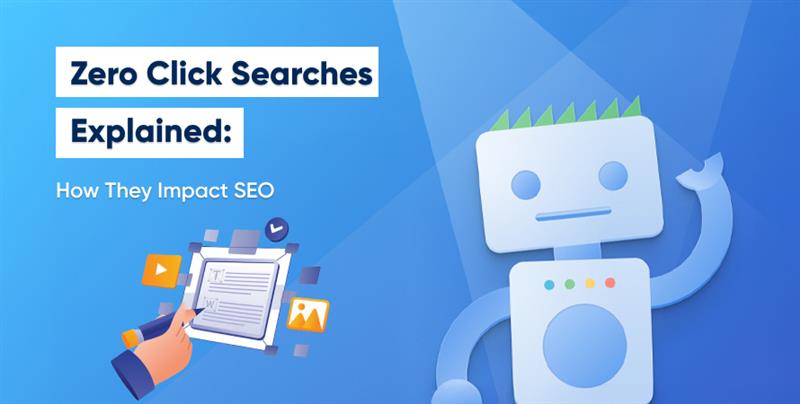
    Zero-Click Searches Are Killing Traffic—Here’s How Smart Brands Still Win


    Are Zero-Click Searches Really Killing Website Traffic in SEO in 2026?

    Yes—and no.

    If you’re seeing impressions increase but clicks drop, you’re not alone. In SEO in 2026, zero-click searches are one of the biggest reasons businesses feel SEO is “not working anymore.” Google now answers many questions directly on the search results page, leaving users with no reason to click.

    But here’s the real truth:
    Zero-click searches are not killing traffic. They’re killing outdated SEO strategies.

    Smart brands are still winning visibility, trust, and leads—just in different ways.

    This article explains why zero-click searches are rising, how Google updates caused this shift, and how businesses can still grow traffic, leads, and authority in 2026.

    What Are Zero-Click Searches and Why Are They Increasing?

    A zero-click search happens when Google answers a query directly using:

    • Featured snippets

    • AI Overviews

    • Knowledge panels

    • Google Maps results

    • People Also Ask sections

    The user gets the answer without clicking any website.

    Why Google Is Pushing Zero-Click Results

    Google’s goal is simple:
    Provide the fastest, most accurate answer.

    With AI SEO and machine learning, Google understands intent better than ever. This shift accelerated with recent SEO updates 2026, where usefulness matters more than blue-link clicks.

    Why Do Businesses Feel Traffic Is Dropping?

    Many businesses ask:
    “Why Am I Getting Website Visitors But No Leads or Phone Calls?”

    Others ask:
    “Why Is My Local SEO Not Working Even After Optimization?”

    The common reason is this:
    Traffic sources changed, but strategies didn’t.

    Zero-click searches reduce clicks for:

    • Informational queries

    • Simple how-to searches

    • Location lookups

    • Definitions and comparisons

    But they increase brand exposure, authority, and trust—if used correctly.

    How Google Updates Changed SEO Forever

    Recent Google updates reward:

    • Brand recognition

    • Content depth

    • Authority signals

    • Engagement, not just visits

    This is why old SEO tactics—keyword stuffing, thin blogs, generic service pages—no longer work in SEO in 2026.

    📊 Graph Explanation:
    Imagine a graph where:

    • Old SEO = high clicks, low conversions

    • Modern SEO = fewer clicks, higher conversions

    Smart brands focus on quality actions, not raw traffic.

    Are Zero-Click Searches the End of SEO?

    Absolutely not.

    They mark the evolution of SEO, not its death.

    Modern SEO focuses on:

    • Being the source Google trusts

    • Owning brand-based searches

    • Converting users who do click

    • Dominating local intent via Google Maps

    SEO today is about visibility + authority + conversion, not clicks alone.

    How Smart Brands Still Win in Zero-Click Search

    1. They Optimize for Brand, Not Just Keywords

    Brands winning in 2026 focus on:

    • Brand mentions

    • Consistent messaging

    • Thought leadership content

    When users see your brand repeatedly in:

    • Featured snippets

    • AI answers

    • Local packs

    They search for you directly.

    This is where Content Marketing beats pure SEO.

    2. They Create Content That Goes Beyond the Answer

    Zero-click searches answer basic questions.

    Smart brands create content that answers:

    • “What should I do next?”

    • “Why does this matter?”

    • “How does this apply to my business?”

    This is where Blog Writing Strategies matter.

    Instead of short posts, they publish:

    • In-depth guides

    • Step-by-step frameworks

    • Case-based explanations

    3. They Use AI Content—but With Human Strategy

    The debate around AI Content vs Google Rankings confuses many businesses.

    Google doesn’t punish AI Content.
    Google punishes low-value content.

    Smart brands use:

    • ChatGPT Content for ideation

    • AI SEO tools for structure

    • Humans for insight, examples, and clarity

    AI supports content. Strategy drives results.

    How Local SEO Fits Into Zero-Click Searches

    Local searches are mostly zero-click now.

    Users see:

    • Google Maps listings

    • Business hours

    • Reviews

    • Call buttons

    Without visiting a website.

    Why Local SEO Still Wins

    If optimized properly, local SEO delivers:

    • Calls

    • Directions

    • Walk-ins

    If it doesn’t, businesses ask:
    “Why Is My Local SEO Not Working Even After Optimization?”

    The answer often lies in:

    • Weak business descriptions

    • Poor review strategy

    • Inconsistent branding

    • Low engagement signals

    Why Traffic Alone No Longer Builds Businesses

    This connects directly to the Real Reason 90% Businesses Collapse in Year One.

    They chase:

    • Pageviews

    • Rankings

    • Traffic volume

    Instead of:

    • Trust

    • Conversion clarity

    • User intent

    Zero-click searches expose weak funnels faster than ever.

    How to Increase Website Traffic Organically in 2026

    Organic growth still works—but differently.

    Winning strategies include:

    • Topic clusters instead of single keywords

    • Intent-based content

    • Strong internal linking

    • Conversion-focused pages

    • Clear CTAs

    Organic traffic that converts matters more than high traffic that doesn’t.

    What Role Does AI SEO Play in Zero-Click Searches?

    AI SEO helps brands:

    • Predict user intent

    • Structure content for AI understanding

    • Win featured snippets

    • Build authority clusters

    AI doesn’t replace SEO—it reshapes it.

    In SEO in 2026, AI helps brands stay visible even when clicks drop.

    Short Summary: What Smart Brands Understand

    • Zero-click searches are unavoidable

    • Visibility matters more than raw clicks

    • Brand authority drives long-term growth

    • AI Content works when guided by strategy

    • Local SEO is about actions, not visits

    Frequently Asked Questions (FAQs)

    Q. Do zero-click searches hurt SEO?
    –>They reduce clicks but increase brand exposure.

    Q. Is SEO still worth investing in?
    –>Yes—when aligned with modern user behavior.

    Q. Can small businesses compete in zero-click results?
    –>Yes, especially through local SEO and niche authority.

    Q. Does Google Maps count as SEO?
    –>Absolutely. Google Maps is one of the strongest SEO assets today.

    Final Thoughts: Zero-Click Is a Wake-Up Call, Not a Threat

    Zero-click searches didn’t kill SEO.

    They killed:

    • Lazy content

    • Shortcut strategies

    • Keyword-only thinking

    Brands that adapt to SEO in 2026 don’t chase clicks—they build trust, authority, and conversions.

    At ListBusinessProfile, we help businesses win in the age of zero-click searches.

    ✔ Identify why traffic isn’t converting
    ✔ Fix local SEO and Google Maps visibility
    ✔ Build SEO strategies that work in 2026

    🔍 Book your FREE website audit today and discover how to turn zero-click visibility into real business growth.

  • What’s New in SEO in 2026? Complete Guide for Businesses

    What’s New in SEO in 2026? Complete Guide for Businesses

    SEO in 2026 is no longer about chasing algorithms. It’s about answering real questions, building trust, and aligning with how people actually search today. If you’re a business owner wondering why rankings fluctuate, why traffic doesn’t convert, or why local visibility feels stuck, you’re not alone.

    Here’s the short answer upfront (search intent solved):
    SEO in 2026 focuses on AI-driven search results, user intent, experience (EEAT), local relevance, and conversion-focused content. Businesses that adapt grow steadily. Those that rely on outdated tactics slowly disappear.

    This complete guide by ListBusinessProfile explains what’s changed, why it matters, and how you can apply it—step by step.

    Why Is SEO in 2026 So Different from Previous Years?

    People often search:

    • Is SEO still relevant in 2026?

    • Why did my rankings drop after recent updates?

    SEO has evolved because search behavior has changed.

    Search engines now:

    • Use AI to summarize answers

    • Reward experience, not generic content

    • Track engagement, not just clicks

    • Personalize results (especially in local SEO)

    That means ranking alone isn’t success anymore. Visibility, trust, and conversions matter more.

    How AI Is Reshaping SEO in 2026

    AI-powered search results answer questions directly. This has led to more zero-click searches, where users get answers without visiting websites.

    What does this mean for businesses?

    • Less traffic, but higher-quality traffic

    • Only clear, structured, authoritative content gets cited

    Example:
    A vague article titled “SEO Tips” struggles.
    A focused article titled “Why Is My Local SEO Not Working Even After Optimization?” gets visibility because it answers a real question clearly.

    Key takeaway: Write for people first, not keywords first.

    What Role Does User Intent Play in SEO in 2026?

    User intent now drives rankings more than keyword density.

    People search questions like:

    • Why Am I Getting Website Visitors But No Leads or Phone Calls?

    • How to Increase Website Traffic Organically without ads?

    If your content doesn’t match the reason behind the search, it won’t perform.

    Example:
    Traffic-focused blogs without CTAs attract visitors but no leads.
    Conversion-focused content explains problems, offers solutions, and guides next steps.

    This is why SEO and business goals must align in 2026.

    Why Local SEO Matters More Than Ever in 2026

    Local SEO is one of the fastest-growing SEO segments.

    Businesses frequently ask:

    • Why is my local SEO not working even after optimization?

    The answer is usually activity and trust signals, not setup.

    What Google prioritizes now:

    • Fresh reviews (review velocity)

    • Regular Google Business Profile updates

    • Real photos and engagement

    • Location-specific content

    Real example:
    Two businesses offer the same service.
    The one updating its profile weekly and replying to reviews outranks the other—even with fewer backlinks.

    Local SEO in 2026 rewards consistency, not shortcuts.

    Why Traffic Without Leads Is a Common SEO Problem

    A very common question in 2026:

    This happens when:

    • Content educates but doesn’t guide

    • CTAs are missing or unclear

    • Pages aren’t optimized for conversions

    SEO now overlaps with UX and CRO.

    Example:
    A blog explains a problem well but doesn’t offer:

    • Contact options

    • Free audits

    • Clear next steps

    Result: traffic without business growth.

    What Content Works Best for SEO in 2026?

    Content that ranks in 2026 is:

    • Question-based

    • Experience-driven

    • Easy to read

    • Structured for AI and humans

    Blog Writing Strategies That Work

    Businesses searching for blog writing strategies should focus on:

    • Short paragraphs

    • Clear headings

    • Real examples

    • FAQs

    • Internal linking

    This approach aligns with Yoast SEO rules and Google’s helpful content guidelines.

    The Real Reason 90% Businesses Collapse in Year One

    Many people search:

    • Real reason 90% businesses collapse in year one

    From an SEO lens, the reasons are clear:

    • No long-term visibility strategy

    • Overdependence on ads

    • Poor local presence

    • No content authority

    SEO in 2026 is about building assets, not quick wins.

    Businesses that invest in SEO early:

    • Reduce ad costs

    • Build trust

    • Generate compounding traffic

    How to Increase Website Traffic Organically in 2026

    Organic growth is still possible—but only with the right strategy.

    What works now:

    • Topic clusters instead of random blogs

    • Local + informational content mix

    • AI-assisted, human-edited writing

    • Updating old content regularly

    Example graph (conceptual):
    Imagine a line graph showing:

    • Month 1–3: slow growth

    • Month 4–6: steady increase

    • Month 7+: exponential organic traffic

    This is how compounding SEO works when done correctly.

    How EEAT Impacts SEO in 2026

    Experience, Expertise, Authority, and Trust (EEAT) are critical.

    Google favors:

    • Real-world examples

    • First-hand insights

    • Consistent branding

    A faceless website with generic content struggles.
    A brand like ListBusinessProfile, sharing actionable insights and audits, builds trust faster.

    Frequently Asked Questions (FAQs)

    Is SEO still worth it in 2026?
    Yes. SEO delivers long-term, cost-effective growth when done correctly.

    Why is my local SEO not improving?
    Most often due to lack of ongoing activity, reviews, or location relevance.

    Can small businesses compete in SEO?
    Yes, especially through local SEO and niche-focused content.

    Does AI content rank on Google?
    AI-assisted content ranks when refined with human experience and value.

    Final Thoughts from ListBusinessProfile

    SEO in 2026 rewards clarity, consistency, and credibility. Businesses that focus on real problems, real answers, and real users see lasting growth.

    If your website gets traffic but no leads, or your local rankings feel stuck, it’s not failure—it’s a strategy gap.

    If you want to improve SEO in 2026, fix local visibility issues, and turn traffic into real leads, ListBusinessProfile is here to help.

    👉 Book a free website audit today and discover what’s holding your growth back.
    👉 Let our experts help you build a Google-friendly, future-proof SEO strategy that actually drives business results.

    Grow smarter. Rank stronger. Build long-term success with ListBusinessProfile. 🚀