Tag: seo

  • How to Increase Google Business Profile Click Through Rate (CTR)

    How to Increase Google Business Profile Click Through Rate (CTR)

    You don’t have a ranking problem.
    You have a decision problem.

    Your business is showing up on Google Maps. People are seeing it. But they aren’t choosing it.

    In my experience, this is where most local businesses misunderstand performance. They celebrate impressions inside their Google Business Profile dashboard, yet revenue doesn’t move. If you’re asking, “Why is my Google Business Profile getting views but no clicks?” — the issue is your Google Business Profile Click Through Rate (CTR). Visibility alone does not create action. Persuasion does.

    Let’s break this down properly.

    What Is Google Business Profile Click Through Rate — And Why Does It Matter?

    Your Google Business Profile Click Through Rate measures how often people take action after seeing your listing. That action might be:

    • Clicking your website

    • Calling your business

    • Requesting directions

    If impressions are high but actions are low, your CTR is weak.

    And here’s the uncomfortable truth:

    Google Maps ranking gets you seen.
    Google Business Profile CTR gets you chosen.

    Why Is My Google Business Profile Getting Views but No Clicks?

    I’ve seen this happen when businesses focus entirely on ranking higher but ignore how they appear next to competitors.

    Think about user behavior.

    A potential customer searches “local SEO expert near me.”
    Google shows three listings.
    Within seconds, the user compares:

    • Star ratings

    • Review count

    • Photos

    • Business description

    • Activity level

    That comparison determines your CTR.

    If your profile looks inactive, outdated, or generic, people scroll past—even if you rank first.

    That’s why Zero-click local search is increasing. Users make decisions inside Google itself without ever visiting your site.

    What Affects Google Business Profile CTR?

    CTR is psychological as much as technical.

    Here are the primary factors influencing it:

    1. Visual Authority

    Low-quality images reduce trust instantly. In my experience, updating professional photos alone can increase engagement significantly.

    2. Review Momentum

    Not just rating — but recency. I’ve seen this happen when profiles with 4.8 stars still lose clicks because their last review was 6 months ago.

    3. Category Accuracy

    Incorrect primary categories limit both Google Maps ranking and perceived relevance.

    4. Description Clarity

    If your description doesn’t clearly state what you do and who you help, users hesitate.

    5. Competitive Contrast

    CTR is relative. You’re not judged in isolation. You’re judged against the listings beside you.

    Why Am I Getting Impressions but No Traffic from Google Maps?

    Because impressions measure exposure, not persuasion.

    If you’re getting visibility but no website visits, your Google Business Profile optimization needs refinement.

    Common triggers include:

    • No clear service positioning

    • Weak call-to-action

    • Generic business language

    • Lack of updates or posts

    In my experience, when profiles feel inactive, users assume the business is less responsive.

    How to Increase Google Business Profile CTR Strategically?

    Instead of random changes, follow this structured approach.

    Step 1: Reposition Your Primary Category

    Your category determines search alignment. Misalignment reduces relevance and clicks.

    Example:
    A business listed under “Consultant” instead of “Digital Marketing Agency” saw immediate CTR improvement after correction.

    This is foundational for both Google Maps ranking and click-through performance.

    Step 2: Upgrade Visual Presentation

    Photos are not decoration. They are conversion assets.

    Replace:

    • Blurry storefront images

    • Stock team photos

    • Outdated branding

    With:

    • Real team photos

    • Updated workspace images

    • Service-specific visuals

    To Improve Google Maps visibility, your listing must look active and real.

    Step 3: Rewrite for Conversion, Not Just Keywords

    Many businesses treat descriptions as SEO fields.

    But users aren’t searching your description. They’re scanning it.

    Instead of writing:

    “We provide quality services.”

    Write:

    “We help local businesses increase visibility and generate qualified leads through Google Business listing optimization.”

    Clear value increases clicks.

    Step 4: Increase Activity Signals

    Google Business Profile CTR improves when your profile feels alive.

    Add:

    • Weekly posts

    • Updated offers

    • Event announcements

    • Regular review responses

    Activity builds credibility.

    How to Improve Google Maps Click-Through Rate in Competitive Niches?

    If competition is high, differentiation becomes essential.

    Ask yourself:

    • Do I have more reviews than competitors?

    • Is my rating higher?

    • Does my profile look more complete?

    • Do my photos look better?

    CTR is a competitive metric.

    You don’t need perfection.
    You need relative superiority.

    Why Is My Google Business Profile Not Converting?

    If you’re asking, “Why is my local SEO not converting?”, the issue often lies beyond ranking.

    Conversion drops when:

    • Contact buttons aren’t emphasized

    • No call-to-action language exists

    • Services aren’t clearly listed

    • Messaging isn’t enabled

    I’ve seen this happen when businesses invest heavily in SEO but forget simple persuasion elements.

    How to Optimize Google Business Profile for More Website Clicks?

    If your goal is traffic rather than calls:

    1. Add UTM tracking for performance clarity.

    2. Highlight service-specific landing pages.

    3. Use action-oriented descriptions.

    4. Encourage reviews that mention services.

    This improves both Google Business Profile Click Through Rate and overall engagement. 

    Real Example: CTR Recovery

    One client had:

    • 12,000 impressions

    • 90 website clicks

    CTR was under 1%.

    After:

    • Updating categories

    • Improving photos

    • Rewriting description

    • Posting weekly

    • Responding to reviews

    CTR increased to 2.6% within two months.

    Same visibility. More action.

    What Not to Do When Trying to Improve Google Business Profile CTR

    Avoid these common mistakes:

    • Keyword stuffing business name

    • Buying fake reviews

    • Ignoring negative feedback

    • Leaving outdated information live

    • Setting and forgetting your listing

    These damage both trust and long-term performance.

    How to Rank Higher on Google Maps and Get More Clicks?

    Ranking and CTR work together.

    To rank higher:

    • Maintain consistent citations

    • Collect authentic reviews

    • Optimize categories

    • Stay active

    To get more clicks:

    • Improve profile presentation

    • Add persuasive messaging

    • Build visual trust

    One without the other limits growth.

    FAQs

    • How to increase Google Business Profile CTR?

    Improve visuals, optimize categories, rewrite descriptions, and maintain consistent activity.

    • How do I get more calls from Google Business Profile?

    Enable messaging, use clear CTAs, and improve review credibility.

    • What affects Google Business Profile CTR?

    Ratings, photos, category accuracy, activity level, and competitive comparison.

    • How to get more customer actions from Google Business Profile?

    Combine Google Business listing optimization with persuasive presentation.

    Final Thoughts

    Most businesses chase rankings.

    Smart businesses improve click-through rate.

    Your Google Business Profile Click Through Rate is the bridge between visibility and revenue. Without optimizing it, impressions are just numbers.

    In my experience, when businesses shift focus from “How do I rank?” to “Why would someone choose me?” — performance changes.

    If your profile is getting views but no clicks, it’s not broken.

    It’s just not convincing enough.
  • Why Posting Daily on Google Business Profile Still Doesn’t Work

    Why Posting Daily on Google Business Profile Still Doesn’t Work

    “I posted every day. Added offers. Uploaded photos. Asked for reviews.
    Yet my phone stayed silent.”

    That’s the moment many businesses realize something uncomfortable: posting daily on Google Business Profile feels productive—but results don’t follow.

    If you’re wondering why Google Business Profile still doesn’t work even after consistent posting, you’re not alone. Thousands of businesses follow Google’s visible recommendations and still struggle with rankings, calls, and leads.

    Here’s the truth most guides won’t tell you: Google Business Profile in 2026 is no longer about activity—it’s about behavior.

    And that changes everything.

    Why Does Google Business Profile Still Doesn’t Work for So Many Businesses?

    The biggest misconception is believing that frequency equals visibility. It doesn’t anymore.

    Google’s recent updates shifted how local rankings work. Posting daily without engagement, relevance, or conversion signals is like talking loudly in an empty room. Google notices the noise—but rewards the response.

    This is why many businesses say, “My Google Business Profile isn’t ranking even after optimization.”

    Because optimization without outcomes is invisible to the algorithm.

    How Did Google Business Profile Change After Recent Google Updates?

    Google Maps and local search are now driven by real user interaction, not just profile completeness.

    In 2026, Google evaluates:

    • What users do after seeing your profile

    • Whether they take action or bounce

    • How often your listing creates real outcomes

    This explains why daily posts alone fail. Google doesn’t rank effort—it ranks impact.

    A simple way to visualize this is through a behavior funnel:

    Profile View → Engagement → Action → Trust Signal

    If posting daily doesn’t move users down this funnel, your visibility stalls.

    Why Posting Daily on Google Business Profile Still Doesn’t Work Without Engagement?

    Posting daily is passive. Google rewards reaction, not routine.

    Many businesses post:

    • Generic updates

    • Promotional offers

    • Repeated service descriptions

    But users scroll past without clicking, calling, or requesting directions. That sends a silent signal to Google: this profile isn’t useful.

    This is closely tied to a common frustration:
    Why Am I Getting Website Visitors But No Leads or Phone Calls?

    Because attention without intent doesn’t convert—and Google sees that.

    Is Google Business Profile Optimization Still About NAP and Keywords?

    NAP consistency and keywords still matter—but they’re no longer decisive.

    In local SEO, Google now blends:

    • Proximity

    • Relevance

    • Trust

    • Behavior

    If your profile is optimized but ignored, proximity won’t save you. This is why many businesses ask:
    Why Is My Local SEO Not Working Even After Optimization?

    Because optimization is the baseline, not the differentiator.

    What Google Maps Signals Matter More Than Daily Posting?

    Google Maps now tracks:

    • Call clicks

    • Direction requests

    • Profile interactions

    • Review velocity and sentiment

    • Time spent on linked pages

    If your daily posts don’t trigger these actions, they don’t strengthen your profile.

    Think of it like this graph:

    X-axis: Posting Frequency
    Y-axis: Engagement Actions

    Most businesses increase X while Y stays flat. Google ranks based on Y.

    Why AI Content and ChatGPT Posts Don’t Fix GBP Rankings

    Many businesses now use AI Content or ChatGPT Content to post daily faster. That saves time—but often hurts results.

    AI-written posts usually:

    • Sound generic

    • Miss local intent

    • Lack emotional triggers

    Google’s system detects patterns that users ignore. This connects directly to AI Content vs Google Rankings—AI helps scale content, but not trust.

    Without human relevance, daily posting becomes digital noise.

    How Does Content Marketing Tie Into Google Business Profile Performance?

    Your Google Business Profile doesn’t exist in isolation. Google tracks what happens after the click.

    If your website:

    • Loads slowly

    • Doesn’t answer intent

    • Has weak CTAs

    Then even engaged users drop off.

    That’s why content marketing and blog writing strategies now influence local rankings. Google evaluates whether your ecosystem supports user satisfaction—not just your profile.

    This also explains why many businesses struggle with How to Increase Website Traffic Organically but fail to convert locally.

    What Actually Works Instead of Posting Daily?

    The goal isn’t more posts—it’s better outcomes.

    High-performing profiles focus on:

    • Posting less, but with intent-driven topics

    • Aligning posts with search-based questions

    • Using posts to guide users to conversion paths

    • Updating based on user behavior data

    One strong post that drives calls beats 30 ignored updates.

    Why Businesses Feel Google Business Profile Still Doesn’t Work in 2026

    Because they’re following outdated advice.

    SEO in 2026 is no longer checklist-based. Google evaluates decisions, not just data.

    This mirrors what many businesses experience across channels:
    Traffic without leads. Visibility without growth. Activity without return.

    It’s the same reason many business ideas fail early—not lack of effort, but lack of alignment with user behavior.

    How Should You Measure Success on Google Business Profile Now?

    Stop tracking:

    • Number of posts

    • Posting streaks

    Start tracking:

    • Calls from GBP

    • Direction requests

    • Profile click-through rate

    • Actions per impression

    If those metrics improve, rankings follow.

    Frequently Asked Questions

    Q: Does posting daily hurt Google Business Profile rankings?
    A: No, but it doesn’t help unless users engage with your content.

    Q: Why is my Google Business Profile not ranking even with regular updates?
    A: Because Google prioritizes interaction, trust, and relevance over posting frequency.

    Q: Is Google Business Profile still worth it in 2026?
    A: Yes—but only when used as a behavior-driven channel, not a posting platform.

    Q: Can AI tools improve Google Business Profile results?
    A: Only when paired with human strategy and local intent.

    Final Thoughts

    Google Business Profile still works—but not the way most businesses use it.

    Posting daily feels productive, but Google rewards results, not routines. In 2026, local visibility is earned through engagement, trust, and meaningful actions—not frequency alone.

    When businesses shift from “What should I post today?” to “What will users do after they see this?”, everything changes.

    If your Google Business Profile looks active but still isn’t driving calls or growth, it’s time to stop guessing.
    ListBusinessProfile offers a free website and local visibility audit to uncover why your profile isn’t converting—and what Google actually expects in 2026.

  • What’s New in SEO in 2026? Complete Guide for Businesses

    What’s New in SEO in 2026? Complete Guide for Businesses

    SEO in 2026 is no longer about chasing algorithms. It’s about answering real questions, building trust, and aligning with how people actually search today. If you’re a business owner wondering why rankings fluctuate, why traffic doesn’t convert, or why local visibility feels stuck, you’re not alone.

    Here’s the short answer upfront (search intent solved):
    SEO in 2026 focuses on AI-driven search results, user intent, experience (EEAT), local relevance, and conversion-focused content. Businesses that adapt grow steadily. Those that rely on outdated tactics slowly disappear.

    This complete guide by ListBusinessProfile explains what’s changed, why it matters, and how you can apply it—step by step.

    Why Is SEO in 2026 So Different from Previous Years?

    People often search:

    • Is SEO still relevant in 2026?

    • Why did my rankings drop after recent updates?

    SEO has evolved because search behavior has changed.

    Search engines now:

    • Use AI to summarize answers

    • Reward experience, not generic content

    • Track engagement, not just clicks

    • Personalize results (especially in local SEO)

    That means ranking alone isn’t success anymore. Visibility, trust, and conversions matter more.

    How AI Is Reshaping SEO in 2026

    AI-powered search results answer questions directly. This has led to more zero-click searches, where users get answers without visiting websites.

    What does this mean for businesses?

    • Less traffic, but higher-quality traffic

    • Only clear, structured, authoritative content gets cited

    Example:
    A vague article titled “SEO Tips” struggles.
    A focused article titled “Why Is My Local SEO Not Working Even After Optimization?” gets visibility because it answers a real question clearly.

    Key takeaway: Write for people first, not keywords first.

    What Role Does User Intent Play in SEO in 2026?

    User intent now drives rankings more than keyword density.

    People search questions like:

    • Why Am I Getting Website Visitors But No Leads or Phone Calls?

    • How to Increase Website Traffic Organically without ads?

    If your content doesn’t match the reason behind the search, it won’t perform.

    Example:
    Traffic-focused blogs without CTAs attract visitors but no leads.
    Conversion-focused content explains problems, offers solutions, and guides next steps.

    This is why SEO and business goals must align in 2026.

    Why Local SEO Matters More Than Ever in 2026

    Local SEO is one of the fastest-growing SEO segments.

    Businesses frequently ask:

    • Why is my local SEO not working even after optimization?

    The answer is usually activity and trust signals, not setup.

    What Google prioritizes now:

    • Fresh reviews (review velocity)

    • Regular Google Business Profile updates

    • Real photos and engagement

    • Location-specific content

    Real example:
    Two businesses offer the same service.
    The one updating its profile weekly and replying to reviews outranks the other—even with fewer backlinks.

    Local SEO in 2026 rewards consistency, not shortcuts.

    Why Traffic Without Leads Is a Common SEO Problem

    A very common question in 2026:

    This happens when:

    • Content educates but doesn’t guide

    • CTAs are missing or unclear

    • Pages aren’t optimized for conversions

    SEO now overlaps with UX and CRO.

    Example:
    A blog explains a problem well but doesn’t offer:

    • Contact options

    • Free audits

    • Clear next steps

    Result: traffic without business growth.

    What Content Works Best for SEO in 2026?

    Content that ranks in 2026 is:

    • Question-based

    • Experience-driven

    • Easy to read

    • Structured for AI and humans

    Blog Writing Strategies That Work

    Businesses searching for blog writing strategies should focus on:

    • Short paragraphs

    • Clear headings

    • Real examples

    • FAQs

    • Internal linking

    This approach aligns with Yoast SEO rules and Google’s helpful content guidelines.

    The Real Reason 90% Businesses Collapse in Year One

    Many people search:

    • Real reason 90% businesses collapse in year one

    From an SEO lens, the reasons are clear:

    • No long-term visibility strategy

    • Overdependence on ads

    • Poor local presence

    • No content authority

    SEO in 2026 is about building assets, not quick wins.

    Businesses that invest in SEO early:

    • Reduce ad costs

    • Build trust

    • Generate compounding traffic

    How to Increase Website Traffic Organically in 2026

    Organic growth is still possible—but only with the right strategy.

    What works now:

    • Topic clusters instead of random blogs

    • Local + informational content mix

    • AI-assisted, human-edited writing

    • Updating old content regularly

    Example graph (conceptual):
    Imagine a line graph showing:

    • Month 1–3: slow growth

    • Month 4–6: steady increase

    • Month 7+: exponential organic traffic

    This is how compounding SEO works when done correctly.

    How EEAT Impacts SEO in 2026

    Experience, Expertise, Authority, and Trust (EEAT) are critical.

    Google favors:

    • Real-world examples

    • First-hand insights

    • Consistent branding

    A faceless website with generic content struggles.
    A brand like ListBusinessProfile, sharing actionable insights and audits, builds trust faster.

    Frequently Asked Questions (FAQs)

    Is SEO still worth it in 2026?
    Yes. SEO delivers long-term, cost-effective growth when done correctly.

    Why is my local SEO not improving?
    Most often due to lack of ongoing activity, reviews, or location relevance.

    Can small businesses compete in SEO?
    Yes, especially through local SEO and niche-focused content.

    Does AI content rank on Google?
    AI-assisted content ranks when refined with human experience and value.

    Final Thoughts from ListBusinessProfile

    SEO in 2026 rewards clarity, consistency, and credibility. Businesses that focus on real problems, real answers, and real users see lasting growth.

    If your website gets traffic but no leads, or your local rankings feel stuck, it’s not failure—it’s a strategy gap.

    If you want to improve SEO in 2026, fix local visibility issues, and turn traffic into real leads, ListBusinessProfile is here to help.

    👉 Book a free website audit today and discover what’s holding your growth back.
    👉 Let our experts help you build a Google-friendly, future-proof SEO strategy that actually drives business results.

    Grow smarter. Rank stronger. Build long-term success with ListBusinessProfile. 🚀

  • AI Content vs Google Rankings: Is ChatGPT Safe for Content Marketing?

    AI Content vs Google Rankings: Is ChatGPT Safe for Content Marketing?

    AI tools like ChatGPT have completely transformed how businesses create content. But one big question keeps surfacing in every marketer’s mind: Is AI content safe for Google rankings, or does it invite penalties?

    If you’re using AI for content marketing—or planning to—this guide will give you clear, honest, and up-to-date answers based on Google’s own guidelines, SEO best practices, and real-world results.

    Let’s break it down step by step.

    What Is AI Content in Content Marketing?

    AI content refers to text created using artificial intelligence tools such as ChatGPT, Claude, Gemini, or other AI writing platforms. In content marketing, businesses use AI to:

    • Generate blog drafts

    • Create meta titles and descriptions

    • Write landing page content

    • Brainstorm content ideas

    • Optimize content for SEO

    But here’s the real question:
    👉 Does Google care who writes the content—or how it’s written?

    Does Google Penalize AI Content?

    Short answer: No.
    Long answer: Google penalizes low-quality content, not AI-generated content.

    Google has clearly stated that content quality matters more than content creation method. Whether a human or AI writes it doesn’t matter—value does.

    Google’s official stance:

    Google rewards content that is:

    • Helpful

    • Original

    • Written for users, not search engines

    • Demonstrates expertise, experience, authority, and trust (E-E-A-T)

    If your AI content meets these standards, Google will not penalize it.

    Why Are Some AI Articles Not Ranking on Google?

    Many marketers ask:

    • “Why isn’t my AI-written content ranking?”

    • “Why did my traffic drop after using ChatGPT?”

    The problem isn’t AI—it’s how AI is used.

    Common mistakes that hurt rankings:

    • Publishing raw ChatGPT content without editing

    • Keyword stuffing

    • Thin, repetitive content

    • No originality or insights

    • No human experience or examples

    AI should assist content creation—not replace strategic thinking.

    How Google Evaluates AI Content Today

    Google’s algorithms analyze content value, not authorship. Here’s what Google looks for:

    1. Content Helpfulness

    Does the content actually answer user questions?

    2. Original Insights

    Does it add something new—or repeat what’s already ranking?

    3. Search Intent Match

    Does the content match what users are looking for?

    4. User Experience

    Is the content easy to read, well-structured, and engaging?

    AI content that checks these boxes can rank just as well as human-written content.

    Is ChatGPT Safe for Content Marketing?

    Yes—when used correctly.

    ChatGPT is a powerful tool for content marketing, but it works best when paired with human expertise.

    Safe ways to use ChatGPT:

    • Creating outlines

    • Generating first drafts

    • Improving readability

    • Optimizing content structure

    • Brainstorming headlines

    Risky ways to use ChatGPT:

    • Publishing AI output without editing

    • Mass-producing generic blogs

    • Copying prompts across multiple posts

    How to Use AI Content Without Hurting Google Rankings

    Here’s a proven approach businesses follow to rank safely with ChatGPT content.

    Step-by-Step AI Content Strategy That Google Loves

    Step 1: Start With Search Intent

    Ask:

    • What problem is the user trying to solve?

    • Is the intent informational, transactional, or navigational?

    AI content must align with real user intent, not just keywords.

    Step 2: Use AI as a Drafting Tool

    Let ChatGPT help with:

    • Structure

    • Topic coverage

    • Flow

    But never stop there.

    Step 3: Add Human Experience

    Google prefers content with:

    • Real examples

    • Case studies

    • Practical advice

    • Industry insights

    This is where human editing matters most.

    Step 4: Optimize for E-E-A-T

    Strengthen:

    • Experience: Share practical use cases

    • Expertise: Demonstrate industry knowledge

    • Authority: Reference best practices

    • Trust: Keep information accurate and transparent

    Step 5: Improve Readability

    AI content must sound natural, not robotic.

    • Use short paragraphs

    • Ask questions

    • Use bullet points

    • Write in active voice

    Can AI Content Rank on Google Long-Term?

    Yes—but only if you treat AI as a helper, not a shortcut.

    Websites ranking with ChatGPT content consistently:

    • Update posts regularly

    • Improve content depth

    • Monitor performance

    • Align with Google updates

    AI content that evolves with SEO trends performs better than static posts.

    AI Content vs Human Content: What Performs Better?

    This is another common question:
    👉 “Does human-written content outperform AI content?”

    The truth:

    • Well-edited ChatGPT Content performs equally well

    • Poor human content also fails

    Quality always wins—regardless of who writes it.

    Is Google Detecting ChatGPT Content?

    Google does not rely on AI-detection tools to penalize content.

    Instead, it focuses on:

    • Content usefulness

    • Engagement metrics

    • User satisfaction

    Detection alone does not trigger penalties—poor quality does.

    Best Practices for AI Content Marketing in 2025

    To stay safe and competitive, follow these rules:

    • Never publish raw AI output

    • Always edit and refine

    • Focus on value over volume

    • Avoid duplicate structures

    • Combine AI with SEO strategy

    • Keep content people-first

    How ListBusinessProfile Helps You Use AI Safely

    At ListBusinessProfile, we help businesses:

    • Use AI without risking rankings

    • Create SEO-friendly, humanized content

    • Improve content marketing strategies

    • Align ChatGPT content with Google guidelines

    We don’t just write content—we build ranking assets.

    Final Thoughts: Is AI Content Worth It?

    Yes—when used strategically.

    ChatGPT content can:

    • Save time

    • Improve efficiency

    • Support SEO

    • Scale content marketing

    But success comes from smart execution, not automation alone.

    If you’re looking to use AI content & content marketing the right way—without risking Google rankings—our experts at ListBusinessProfile can help.

    If you’re looking to boost your website traffic, generate qualified leads, and grow your business strategically, feel free to reach out to our digital marketing experts — we’re here to help you achieve measurable results.

    Let AI work for your SEO—not against it 🚀

  • How Small Businesses Can Build a Brand Without Spending Much

    How Small Businesses Can Build a Brand Without Spending Much

    Building a powerful brand doesn’t always require big money—especially for small businesses trying to grow in competitive markets. Today, most successful brands started with zero funding, limited resources, and a strategic plan. But how do you know whether you’re facing a marketing problem or a deeper business problem? And how do you build a brand when budgets are small?

    This guide breaks down practical, low-cost branding strategies, combined with SEO, Local SEO, and digital marketing insights that small business owners actively search for worldwide.

    Why Small Businesses Struggle With Branding: Is It Marketing or the Product?

    Before talking about branding tactics, you must identify the root cause of your slow growth.
    Ask yourself:

    ❓ Why Struggling with a sudden Google Maps ranking drop?

    ❓ Getting website visitors but still not receiving leads or phone calls?

    ❓ Facing issues with your Google Business Profile not appearing on Google Maps?

    ❓ Why Is My Local SEO Not Working Even After Optimization?

    If you’re asking these questions, you may already suspect something deeper is affecting your brand visibility.

    Most small businesses collapse not because of lack of money—but because they fail to build a brand their ideal customers trust. This is The Real Reason 90% Businesses Collapse in Year One.

    Let’s fix that.

    1. Understand What a Brand Really Means (It’s Not Just a Logo)

    Branding is not your logo, colors, or website alone.
    So what’s Branding:

    ✔ How people feel about your business
    ✔ What they remember when they hear your name
    ✔ The trust your local audience has in you
    ✔ Consistency of your marketing, content, and customer experience

    Small businesses often overspend on design but ignore the real foundation:
    Brand perception + brand consistency.

    And good news: both can be improved without spending much.

    2. Use SEO & Local SEO as Your Branding Foundation

    If you’re operating with limited funds, SEO is the most affordable long-term branding tool you have.

    High-ranking content builds authority.
    Authority builds trust.
    Trust builds your brand.

    But many small businesses struggle because:

    • Their Google Business Profile isn’t ranking

    • Google Maps ranking dropped

    • Business Profile is suspended

    • Local SEO isn’t working even after updates

    • Aren’t creating landing pages that convert visitors into customers

    Fix These, and Your Branding Improves Automatically.

    How to Boost Organic Traffic With SEO & Local SEO

    • Publish high-quality blog content targeting questions customers actually search

    • Add keywords naturally across your pages

    • Optimize Google Business Profile weekly

    • Share posts consistently

    • Build local citations

    • Earn reviews (biggest trust factor!)

    • Fix any technical SEO issues on your site

    When you improve visibility, customers automatically see your brand more.
    More visibility = stronger brand.

    3. Build a Brand With Zero Budget Using Content Marketing

    Content marketing is the most effective affordable branding method.

    Why?

    Because content gives your business a voice—without spending on ads.

    What Kind of Content Should You Create?

    • Helpful blog posts

    • Short videos

    • Google Business posts

    • Carousel posts for social media

    • How-to guides

    • Local SEO tips

    • Customer stories or case studies

    This positions your brand as the expert in your niche.

    Your aim:
    Become the business customers trust before they ever contact you.

    4. How to Create Landing Pages That Actually Convert Visitors into Customers

    If your website gets traffic but no leads, it’s a branding problem disguised as a conversion problem.

    Ask yourself again:
    Why Am I Getting Website Visitors But No Leads or Phone Calls?

    Here’s the reason:
    Your landing pages aren’t built to convert.

    What Makes a Landing Page Convert?

    • Clear headline

    • Strong value proposition

    • Trust elements (reviews, case studies, awards)

    • Simple form

    • Clear CTA

    • Local keywords

    • Mobile-friendly layout

    A well-built landing page:

    ✔ boosts organic traffic
    ✔ increases conversions
    ✔ Boost local SEO
    ✔ strengthens branding
    ✔ helps Google trust your business more

    You don’t need expensive designers—just a clean, trustworthy, SEO-optimized page.

    5. Leverage Google Business Profile to Build a Local Brand

    Your GBP is your “digital shop window.”

    If your Google Business Profile isn’t ranking or your GMB ranking dropped,

    your brand will instantly lose visibility.

    To fix this:

    • Add 100% complete business info

    • Use local keywords in posts

    • Must Upload photos every week

    • Reply to every review

    • Add products/services

    • Check suspension risks (NAP issues, duplicate listings, fake locations)

    • Learn how to fix Google Map ranking dropped problems quickly

    Consistency = visibility
    Visibility = branding

    Even with zero budget, active GBP management builds trust faster than ads.

    6. Build Brand Trust Through Customer Experience

    Branding isn’t only external; it’s internal too.

    Customer experience builds the strongest brand over time.

    Low-Cost Branding Enhancers:

    • Fast responses

    • Polite communication

    • On-time delivery

    • Small freebies or thank-you notes

    • Personalized follow-ups

    • Transparent pricing

    Happy customers = free branding.
    Word of mouth = the best marketing.

    7. Use Social Media the Smart Way (Not the Expensive Way)

    Small businesses often waste money on ads because they skip the basics.

    You don’t need to boost posts or run expensive campaigns immediately.

    Instead:

    • Use trending content formats (reels, shorts)

    • Engage with local communities

    • Join business groups

    • Collaborate with micro creators

    • Post educational & story-based content

    This builds brand visibility organically.

    8. Monitor Your Brand’s Performance 

    Monitoring is essential to avoid sudden issues like:

    • Google Maps ranking dropped

    • Suspended Google Business Profile 

    • Website traffic suddenly decreasing

    • Local SEO not working

    • Organic traffic slowing down

    Use free tools:
    ✔ Google Analytics
    ✔ Free Google Search Console
    ✔ Maps insights
    ✔ GBP dashboard

    A strong brand stays strong because it is monitored regularly.

    9. How Can You Fix Your GMB Ranking & Strengthen Your Brand?

    Improving brand visibility starts with:

    • Keyword-rich content

    • More reviews

    • Consistent posting

    • Proper categories

    • Accurate business info

    • Fixing duplicate listings

    • Improving website loading speed

    When Google trusts your business, your ranking rises.
    And, When ranking rises, customers trust your brand.

    10. The Best Low-Cost Branding Strategy of All: Consistency

    You don’t need a big budget.
    You need consistency.

    Consistent content
    Search Engine Optimization (SEO)
    Customer service
    Branding voice
    Regular Google updates

    This keeps your brand strong against competitors.

    Conclusion: You Can Build a Powerful Brand Without Spending Much
    List Business Profile Management -listbusinessprofile

    Building a brand is about strategic actions, not big budgets.
    If you improve your SEO, fix your Google Maps ranking, optimize your landing pages, and publish strong content, your brand will grow.

    Small businesses win when they stay consistent, show value, and serve customers better than big companies.

    If you want to grow your small business, fix your Google rankings, and build a strong brand without spending much—ListBusinessProfile can help you for FREE.

    💡 Get Your Free Website Audit Today
    We’ll tell you exactly what’s hurting your SEO, why your Google Maps ranking dropped, and how to boost organic traffic quickly.

  • Is Local SEO Dead in 2025? Here’s the Truth You Need to Know

    Is Local SEO Dead in 2025? Here’s the Truth You Need to Know

    Local SEO Dead 2025? Listbusinessprofile

    Local SEO has long been a cornerstone of digital marketing for small businesses. But with constant algorithm changes, AI-driven search, and fierce competition, you may wonder: Is Local SEO dead in 2025? The short answer? Not at all. It’s just evolving—and faster than ever.

    Let’s dive deep into what’s really happening with SEO in 2025, debunk myths, and help you take action to drive more traffic and leads to your business.

    Why People Think Local SEO Is Dead

    Search engine algorithms have changed drastically. With Google’s Update 2025, more businesses are struggling to rank, especially on Google Maps. Some common myths are fueling the confusion:

    • “Google now ranks only paid ads.”

    • “Search Engine Optimization takes too long to show results.”

    • “You don’t need local SEO if you’re on social media.”

    But here’s the truth: Local SEO isn’t dead. It’s just smarter.

    What Is SEO Marketing in 2025?

    SEO Services -Listbusinessprofile

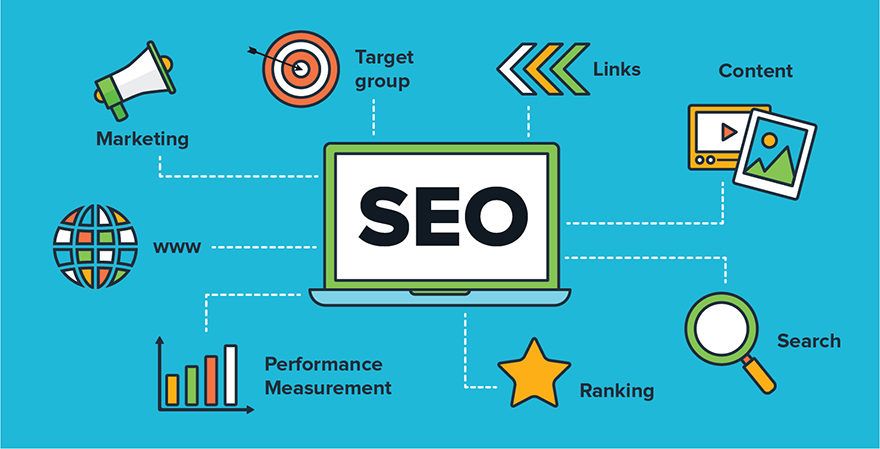
    SEO marketing today goes beyond just keywords and backlinks. It’s about relevance, trust, and user experience. If you’re asking, “What is SEO Marketing?”, think of it as a strategy that connects your content, brand, and services with users who are actively searching for them.

    Question: Are you still stuck using old-school keyword stuffing or generic backlinking techniques?

    The Truth: Local SEO Is More Powerful Than Ever

    With voice search, zero-click results, and mobile-first indexing, Google now prioritizes hyper-local content. Businesses using smart SEO services are gaining a competitive edge.

    Take this example:

    Real-World Example:

    A local dental clinic in Houston optimized their Google Business Page, updated business hours weekly, and added high-quality reviews. In just 30 days, they saw a 72% increase in Google Business Profile traffic and now rank in the 3-pack.

    SEO Trends 2025 You Can’t Ignore

    Let’s talk about what really matters this year:

    • User Intent Optimization: Focus your content on what users are truly searching for.

    • E-E-A-T Signals: Google prioritizes Experience, Expertise, Authoritativeness, and Trustworthiness.

    • Technical SEO: Fast loading speed, mobile compatibility, and structured data are a must.

    • AI-Generated Summaries & Snippets: You need clean, structured content to win these.

    Pro Tip: If your Google Business Profile isn’t ranking, check your NAP consistency and schema markup.

    On-Page and Off-Page SEO Still Matter

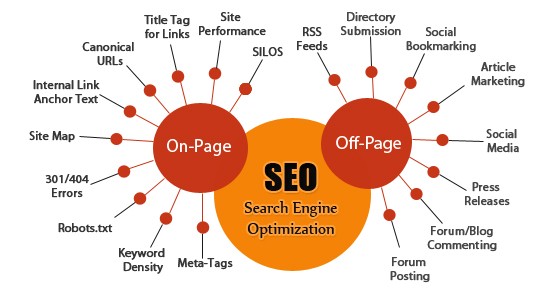
    Many believe on-page optimization is outdated. Not true. Both On Page and Off Page Search Engine Optimization are still critical to organic visibility.

    What Is On-Page SEO?

    • Use keywords naturally in your headings and content

    • Optimize meta titles and descriptions

    • Add schema markup

    • Ensure fast loading speed

    What Is Off-Page SEO?

    • Get high-quality backlinks

    • Build citations on business directories

    • Encourage online reviews and social signals

    How to Increase Organic Traffic to Your Website

    Increasing traffic without paid ads is possible, and here’s how I did it:

    1. Created Long-Form, High-Quality Blogs

    Posts like “How to Increase Organic Traffic to Your Website” targeted long-tail keywords and answered real questions. One article brought in 10K+ visitors.

    2. Focused on Internal Linking

    Strategic internal links helped distribute link equity across my blog. That improved crawl rate and reduced bounce rates.

    3. Optimized Google Business Listing

    I completed every detail of my Google Business Page, posted weekly, and responded to reviews. My profile now ranks top 3 locally.

    Debunking the Biggest Local Search Engine Optimization Myths in 2025

    Let’s clear the air on these outdated beliefs:

    Myth #1: Local SEO doesn’t work anymore. Reality: It works if done right—with schema, reviews, posts, and accurate location data.

    Myth #2: SEO is all about keywords. Reality: It’s about solving intent, offering value, and optimizing user experience.

    Myth #3: Search Engine Optimization is a one-time task. Reality: SEO is an ongoing process. Trends shift. Algorithms update. You need to keep optimizing.

    How to Fix Your Google Business Profile Ranking

    If your Google Business Profile is not ranking, here’s a simple action plan:

    • Verify your listing via Google Business Profile Manager

    • Use consistent NAP (Name, Address, Phone)

    • Add quality images, categories, services, and business hours

    • Post weekly updates and respond to reviews

    • Build citations and backlinks to your website

    Need help? That’s where our SEO specialists come in.

    How to Increased My Website Traffic Organically – What Worked for Me

    Instead of paying for clicks, I focused on value-based content and Search Engine Optimization fundamentals:

    • Targeted “How to Boost Organic Traffic” keywords

    • Wrote blog series around trending Search Engine Optimization topics 2025

    • Shared blog posts on social media and online communities

    • Updated old content with new stats and visuals

    Result: I Increased My Website Traffic Organically by 300% in under 90 days.

    Local SEO vs. Paid Ads: What’s Better in 2025?

    SEO vs. PPC What is the Best Strategy for Your Business

    Local Search Engine Optimization may take time, but it builds a foundation for consistent, long-term results. Paid ads give you a quick spike, but they vanish once your budget runs out.

    Question: Would you rather own your traffic or rent it?

    Ready to Dominate Local Search in 2025?

    If you’re tired of falling behind your competitors, it’s time to take your SE Optimization seriously. At Listbusinessprofile, we help businesses:

    • Optimize their Google Business Listings

    • Improve technical and on-page SEO

    • Build high-quality backlinks

    • Stay ahead of Google’s Updates and Search Engine Trends 2025

    📈 Want to Increase Google Business Profile Traffic and dominate your niche?

    👉 Contact us now for expert SEO services and a free local SEO audit!

    Final Words

    So, is Local SEO dead in 2025? Absolutely not. It’s smarter, more data-driven, and more necessary than ever. If you want to win in your niche, understanding and leveraging SEO is non-negotiable.

    Still wondering where to start? Let us guide you.